What Can I Plant Next?

October 10, 2025

Moisture-Loving Beauties for Your Garden

Shrubs:


Autumn Brilliance Fern

Daylily

Hosta

Snow N’ Summer Jasmine

Henry Garnet Sweet Spirea

Foxtail Fern

Asian Jasmine

Elephant Ear

Daylily

Trees:


Willow

Bald Cypress

Swamp White Oak

Wildfire Blackgum

Willow Oak

Sycamore

Tulip Poplar

Red Maple

Pin Oak

Nuttall Oak

Simplify Your Space with Easygoing Plants

Low-maintenance plants make landscaping simple. They’re drought tolerant once established, naturally resist pests and disease, and bring lasting beauty without the extra work. Spend less time maintaining, and more time enjoying your space. 

Shrubs:


Dwarf Youpon Holly

Compacta Holly

Mondo Grass

Yucca

Ornamental Grass

Hostas

Distylium

Prickly Pear

Bridal Spirea

Japanese Yew

Trees:


Bald Cypress

Bur Oak

Crape Myrtle

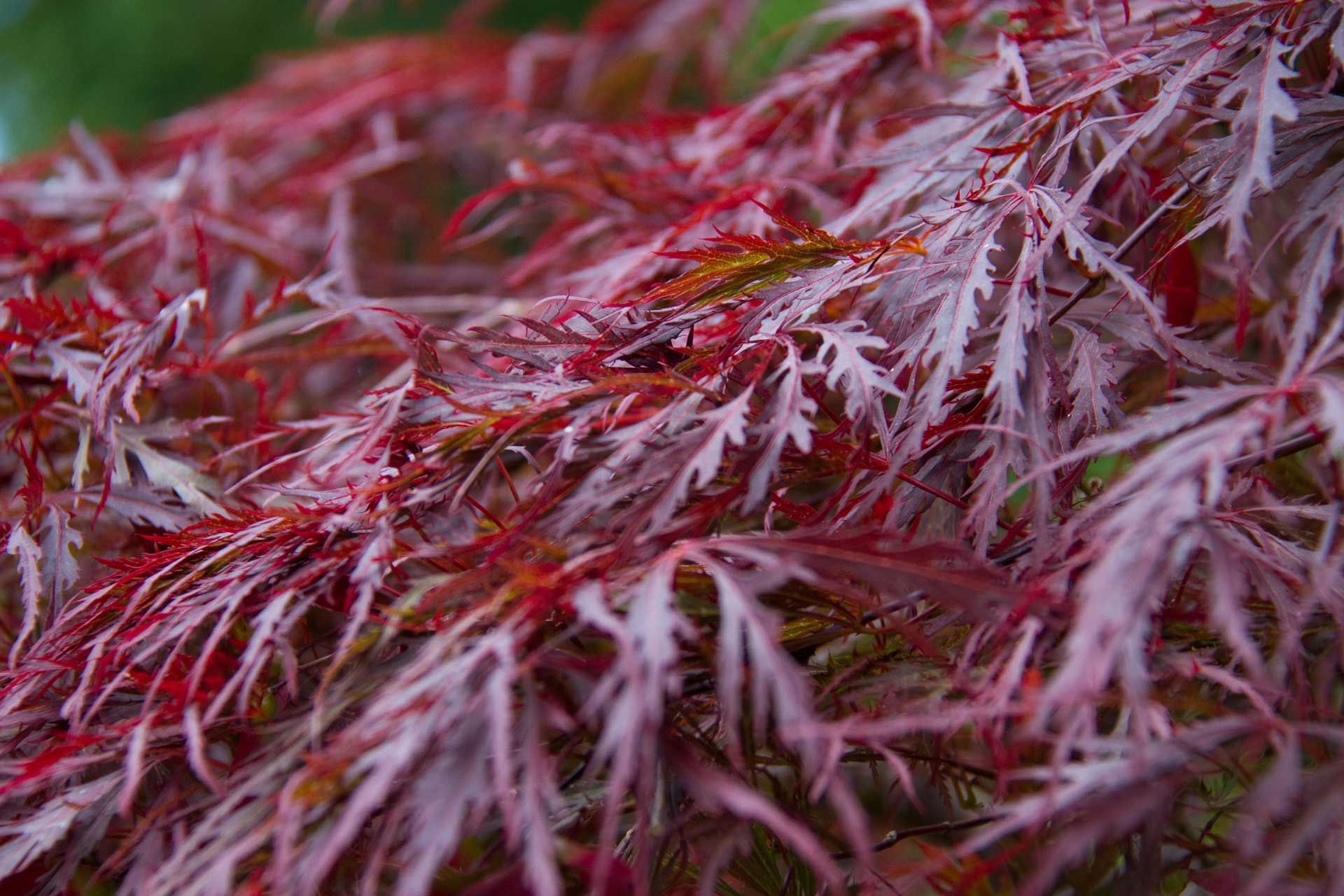
Bloodgood Japanese Maple

Weeping Willow

Ruby Falls Red Bud

Autumn Blaze Maple

Jane Magnolia Tree

Wax Myrtle

Block the View, Not the Beauty

Using a natural screen barrier is a beautiful and eco-friendly way to add privacy to your space. Unlike fences or walls, living screens like shrubs and trees provide year-round interest, help block wind and noise, and create a habitat for birds and pollinators. They also improve air quality and blend seamlessly into the landscape, making your outdoor space feel more peaceful, private, and connected to nature.

Shrubs:


Elagnus

Japanese Yew

Oakland Holly

Waxleaf Ligustrum

White by the Gate Camellia

Pampas Grass

Greensboro Red Camellia

Needlepoint Holly

Cleyera

Forsythia

Trees:


Nellie R Stevens

Leyland Cypress

Green Giant Arborvitae

Eastern Red Cedar

Ruby Falls Red Bud

Autumn Blaze Maple

Jane Magnolia Tree

Wax Myrtle
October 10, 2025
Sunlight:
October 10, 2025
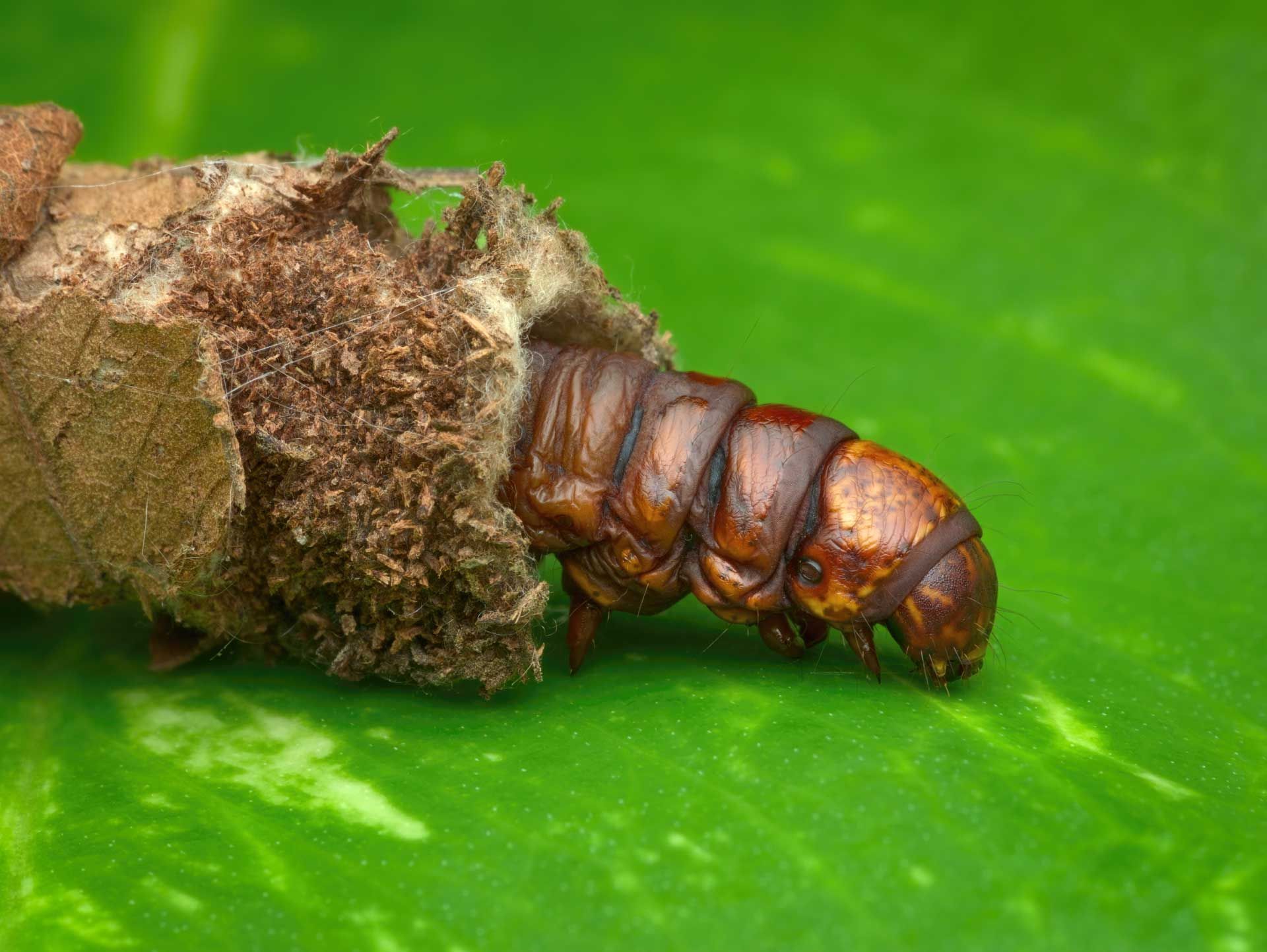
Bagworms are insects that eat many types of trees and shrubs, but they cause the most damage to evergreens like juniper, arborvitae, spruce, and pine. The first sign of trouble is usually brown or dying needles at the ends of branches. This happens when young bagworms start feeding. If there are a lot of them. they can strip the plant of all its leaves or needles. which can stress or even kill the plant. Even a small number of bagworms can make the plant look unhealthy and slow down its growth. Evergreens are hit the hardest. because once their needles fall off. they don't grow back like some other plants do.
February 4, 2025
Water In Plants
February 4, 2025
Things to Look For:
February 3, 2025
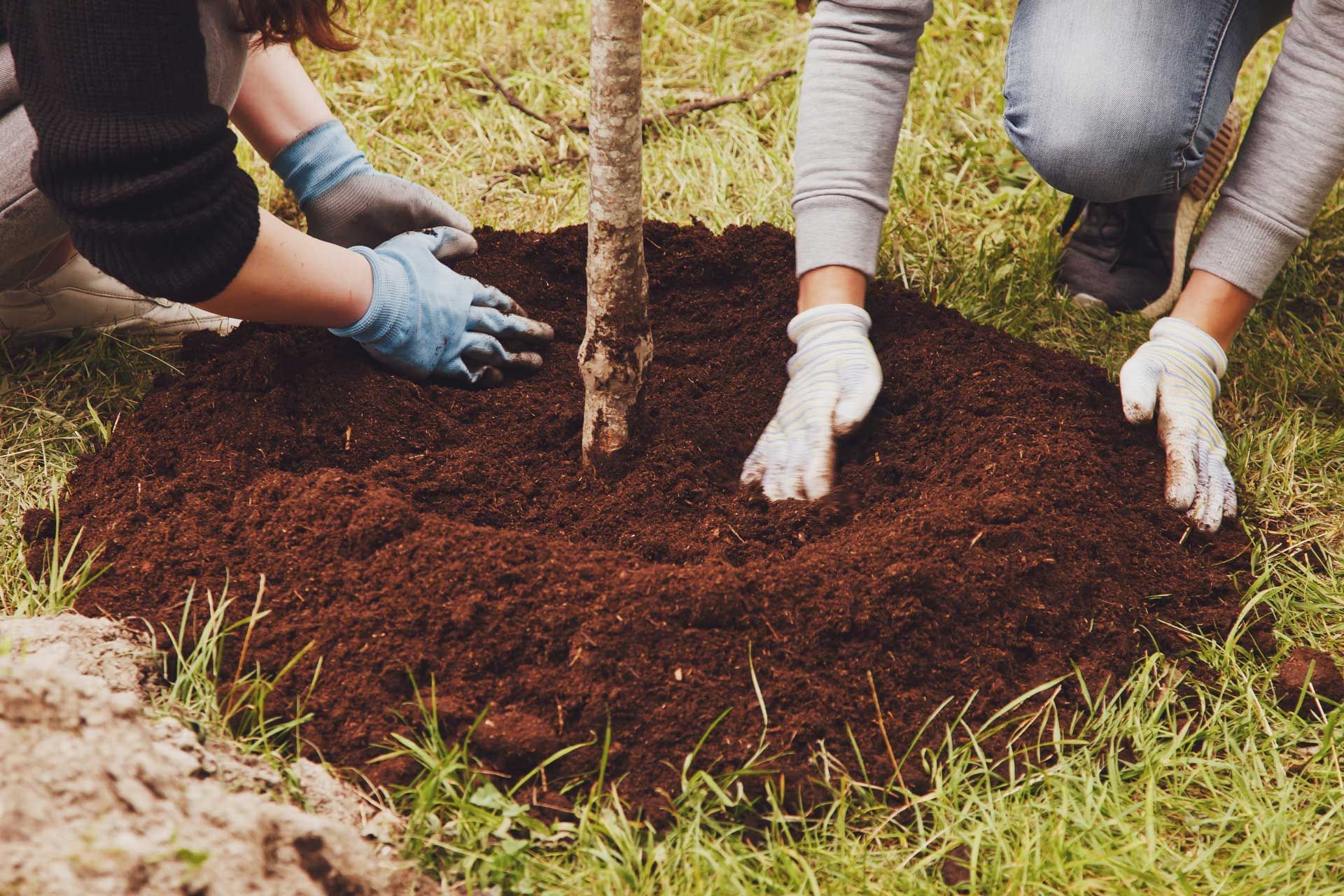
How to Plant: Dig a hole wide enough for the root ball and as deep as the plant container. If the soil needs improvement, mix in compost or potting soil. Fill the hole about one-third of the way with this mixture. Gently remove the plant from its container and place it into the hole. If the plant sits too low, add more soil mixture beneath it to adjust the height. The top of the plant’s soil should be about 2 inches above the surrounding ground level. Backfill the hole with compost or potting soil. When removing the plant from its container, handle it carefully to avoid damaging the root ball. For plants with delicate root systems, lay the container on its side and gently pull it away from the root ball.  After planting, immediately saturate the root ball with a root stimulator mixture, following the product’s instructions. Water thoroughly to ensure the solution reaches the root ball.
February 3, 2025
Choosing the Right Plant
February 3, 2025
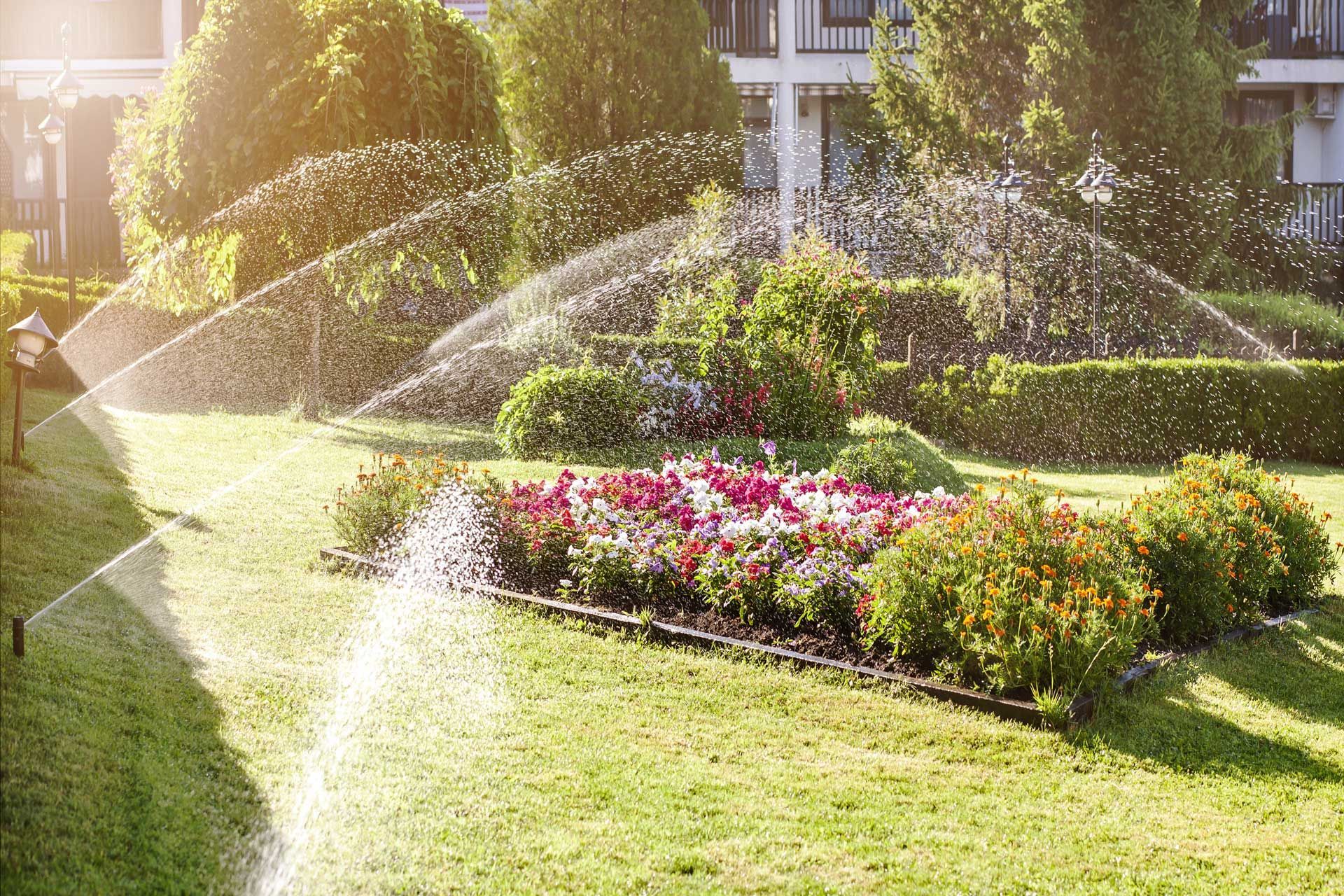
How to water your plants, trees & shrubs in the ground:
February 3, 2025
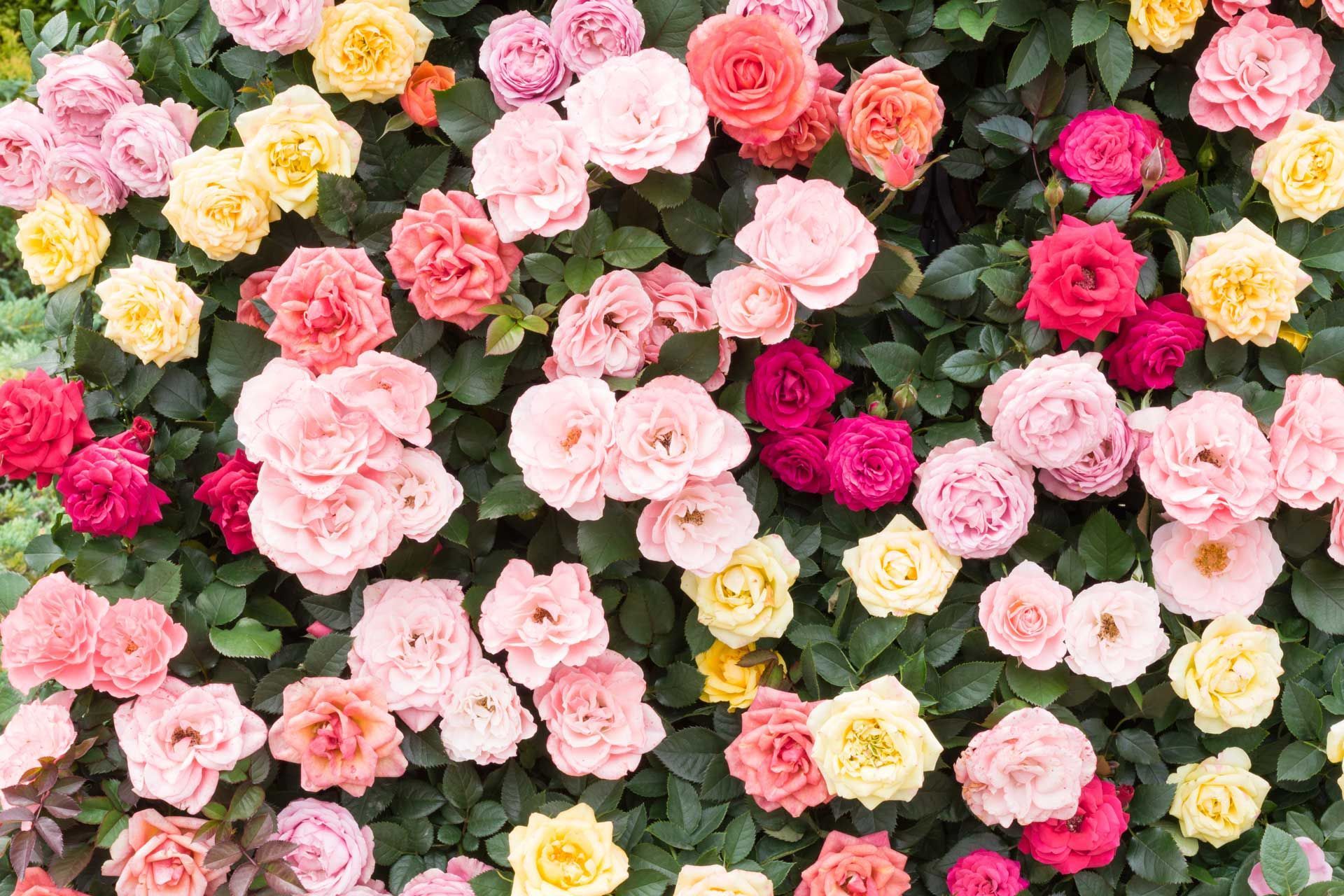
Types of Roses:
February 3, 2025
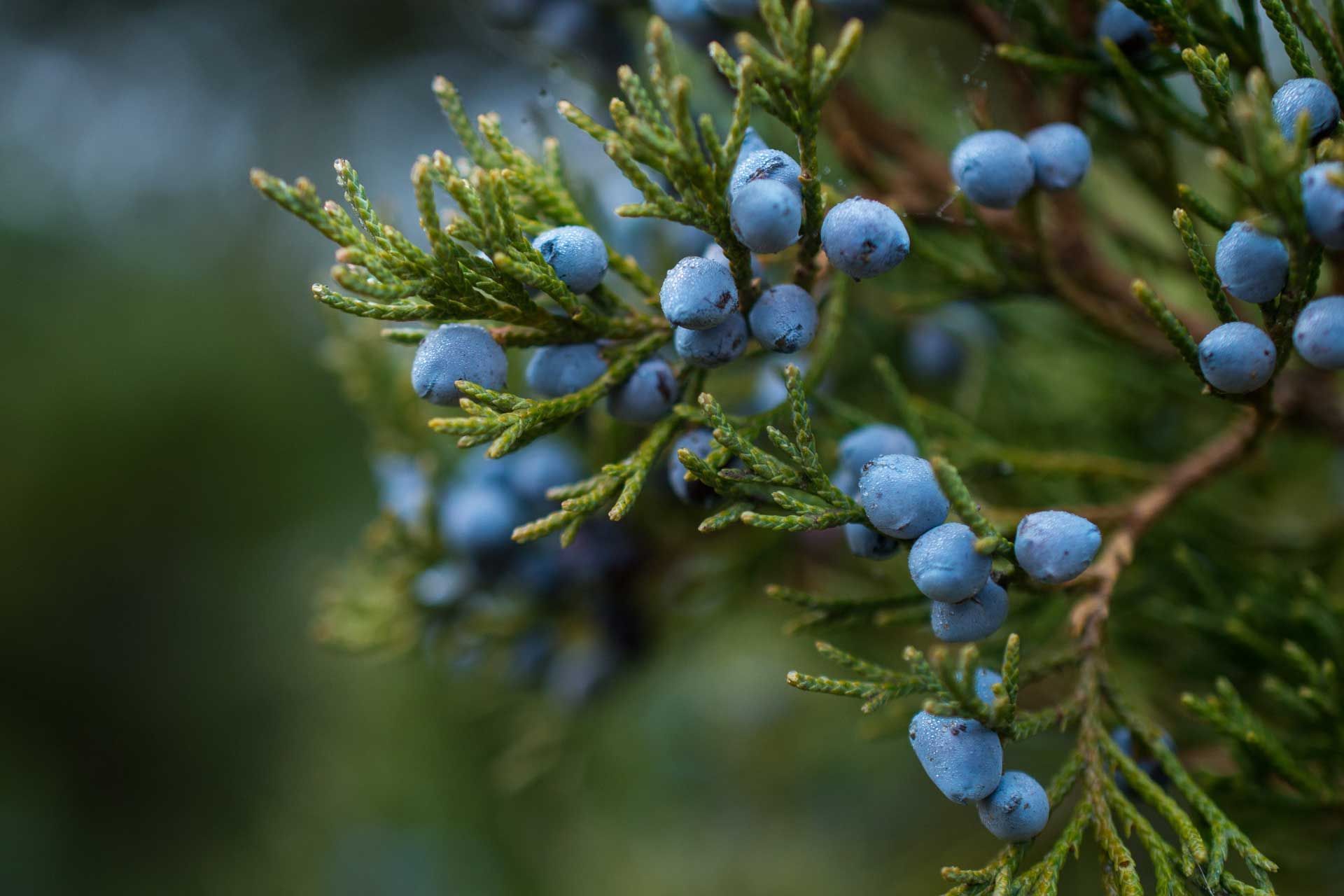
Types of Juniper:
January 31, 2025
Types of Japanese Maple: