What are Bagworms?
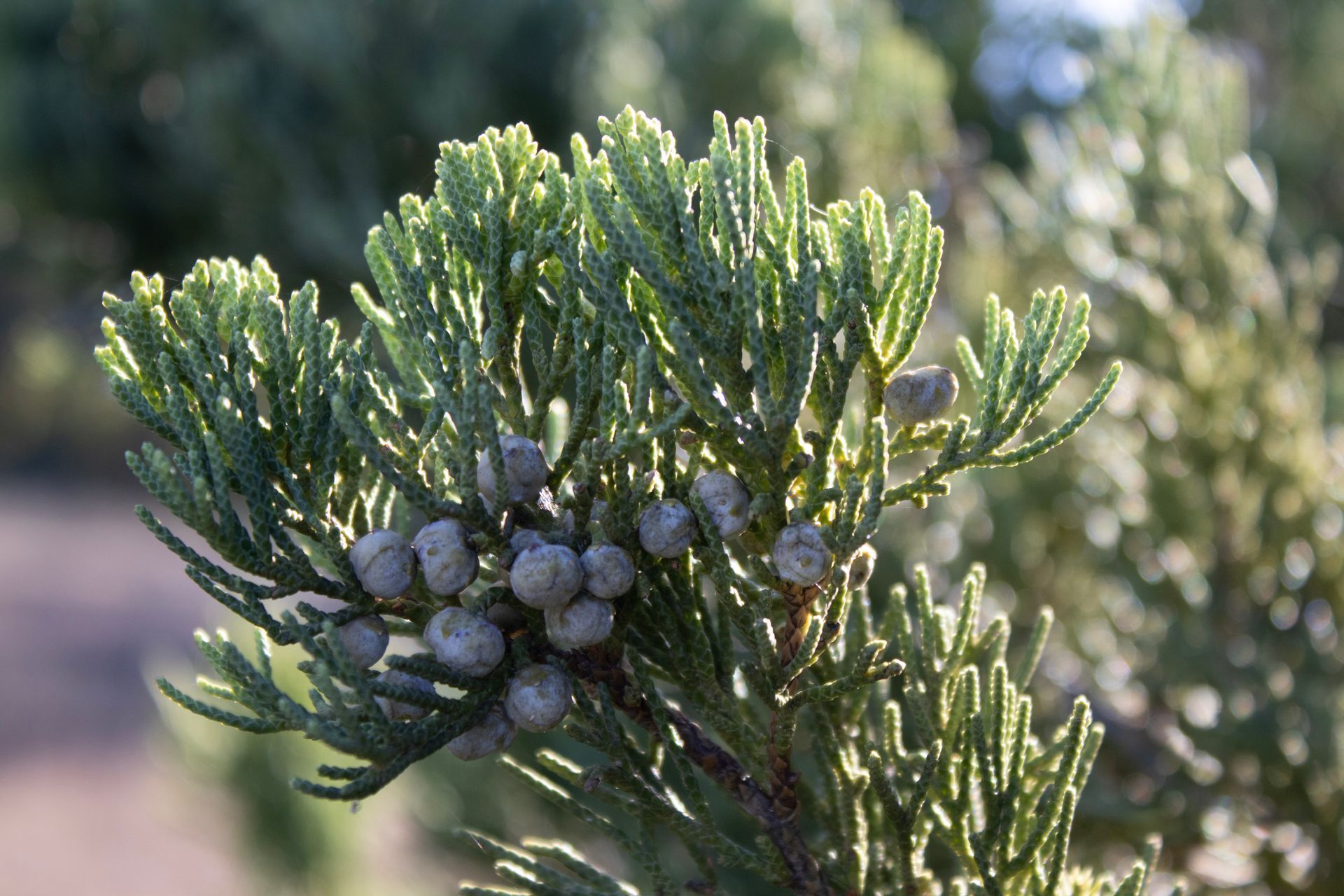
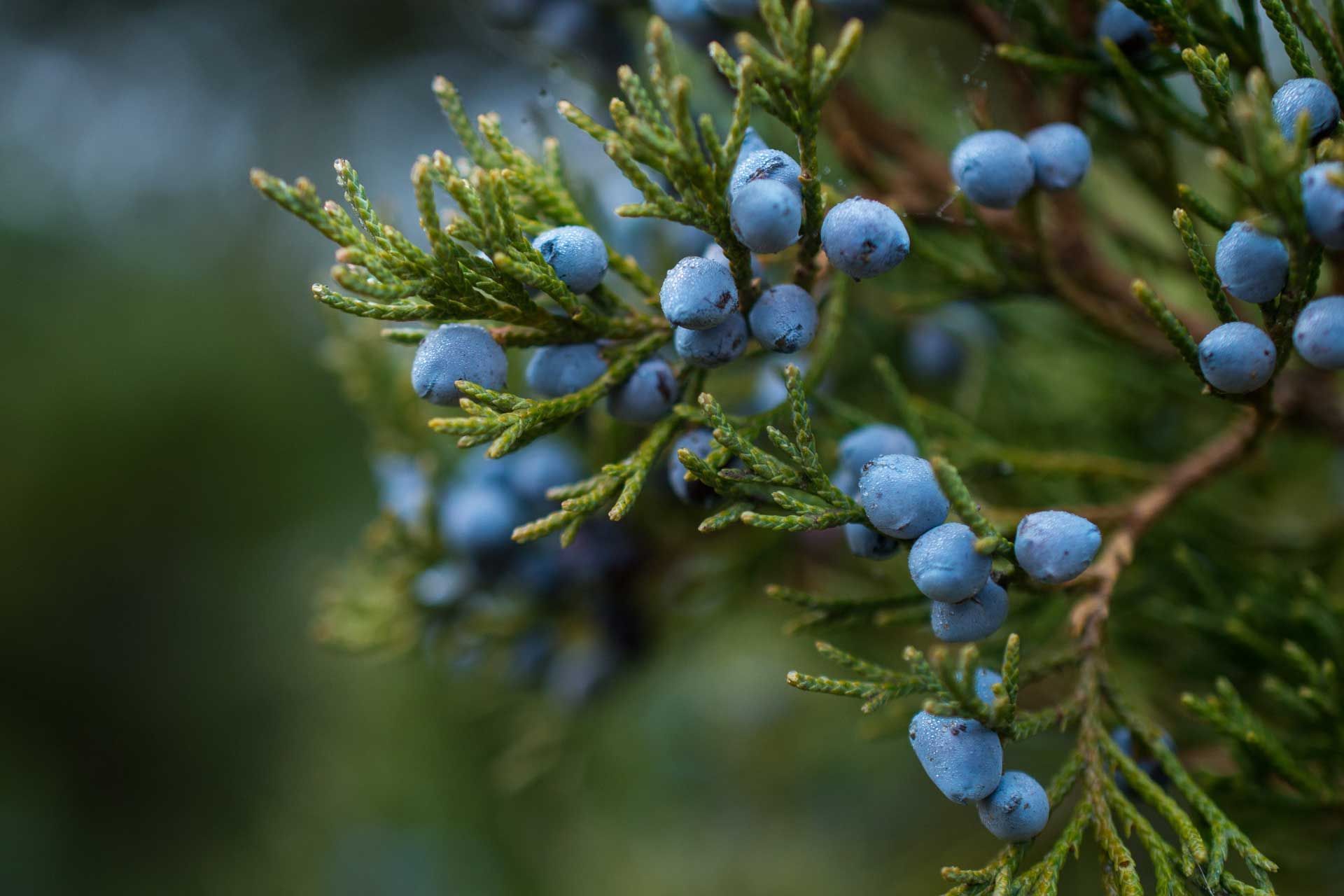
Bagworms are insects that eat many types of trees and shrubs, but they cause the most damage to evergreens like juniper, arborvitae, spruce, and pine. The first sign of trouble is usually brown or dying needles at the ends of branches. This happens when young bagworms start feeding. If there are a lot of them. they can strip the plant of all its leaves or needles. which can stress or even kill the plant. Even a small number of bagworms can make the plant look unhealthy and slow down its growth. Evergreens are hit the hardest. because once their needles fall off. they don't grow back like some other plants do.
How to Treat:
Insecticides work best when used early in the bagworm's life cycle. To prevent early damage. apply treatments between late May and mid-June. when the bagworms are still small (underó inch long). If you wait too long and spray later in the summer, the bagworms are bigger and harder to kill-so the treatment won't work as well. By late August. it's usually too late to treat them because the bagworms stop eating and seal themselves inside their bags to pupate. but you can still treat them.
What chemicals should I use?
Lower-risk Insecticides:
Insecticides made with Bacillus thuringiensis (Bt). spinosad, neem oil (azadirachtin), or insecticidal soaps. These are effective on young bagworm caterpillars, though you may need to reapply them more than once. These products are also less harmful to beneficial insects.
Stronger Insecticides:
Insecticides that can be used on ornamental plants. including acephate. bifenthrin. carbaryl, malathion. permethrin. and several others.
Important:
Some insecticides can damage certain plants. Always read the product label carefully to make sure it's safe for the plant you're treating and that it's approved for use against bagworms. Always make sure to follow chemical instructions.
Alternative Bagworm Control
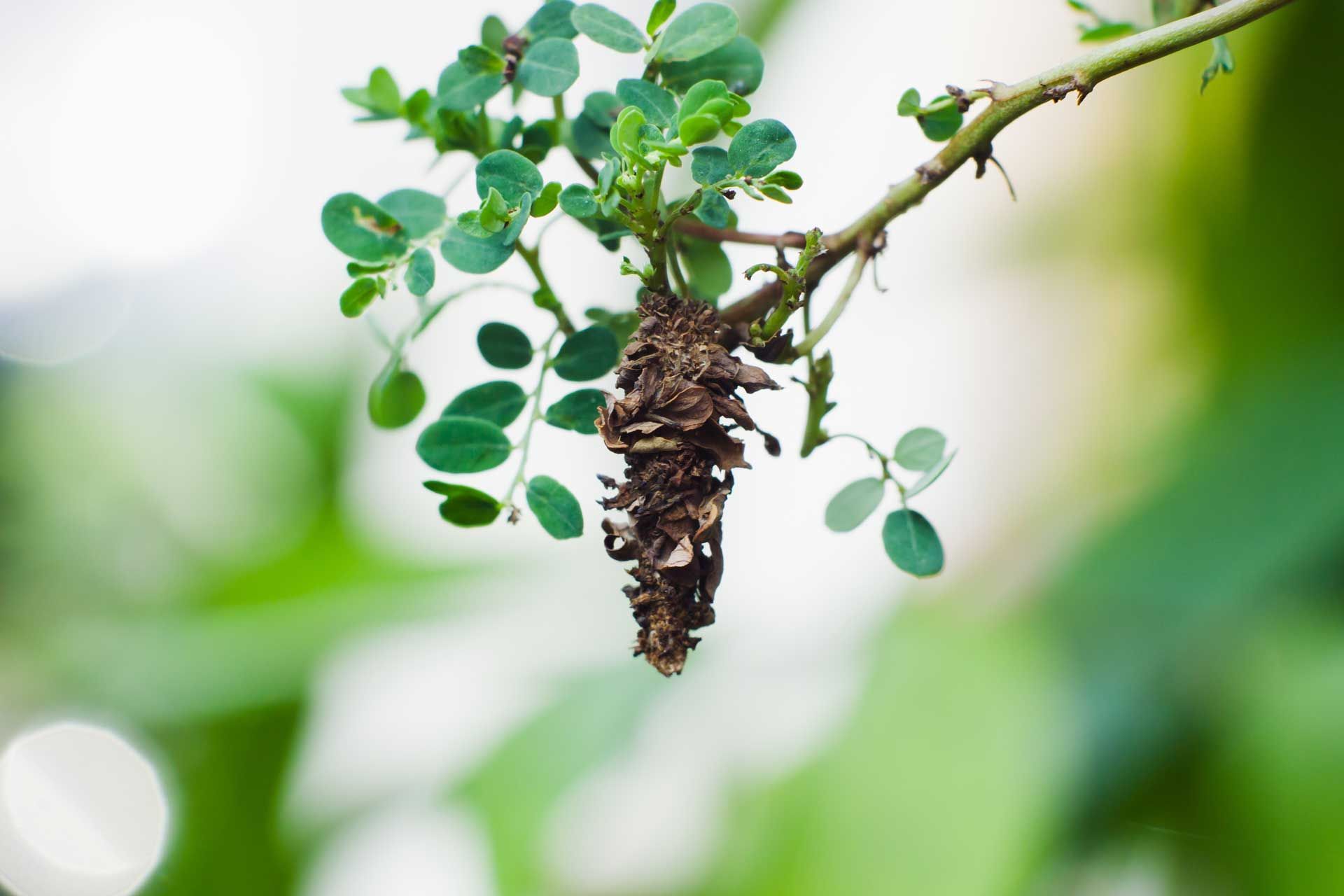
Manual Control: On smaller trees and shrubs, you can manage bagworms by removing the bags by hand in winter or early spring. before the eggs hatch. To make sure they don't come back. crush the bags or soak them in soapy water. Don't just drop them on the ground-if live larvae are inside. they could crawl back to the plants.
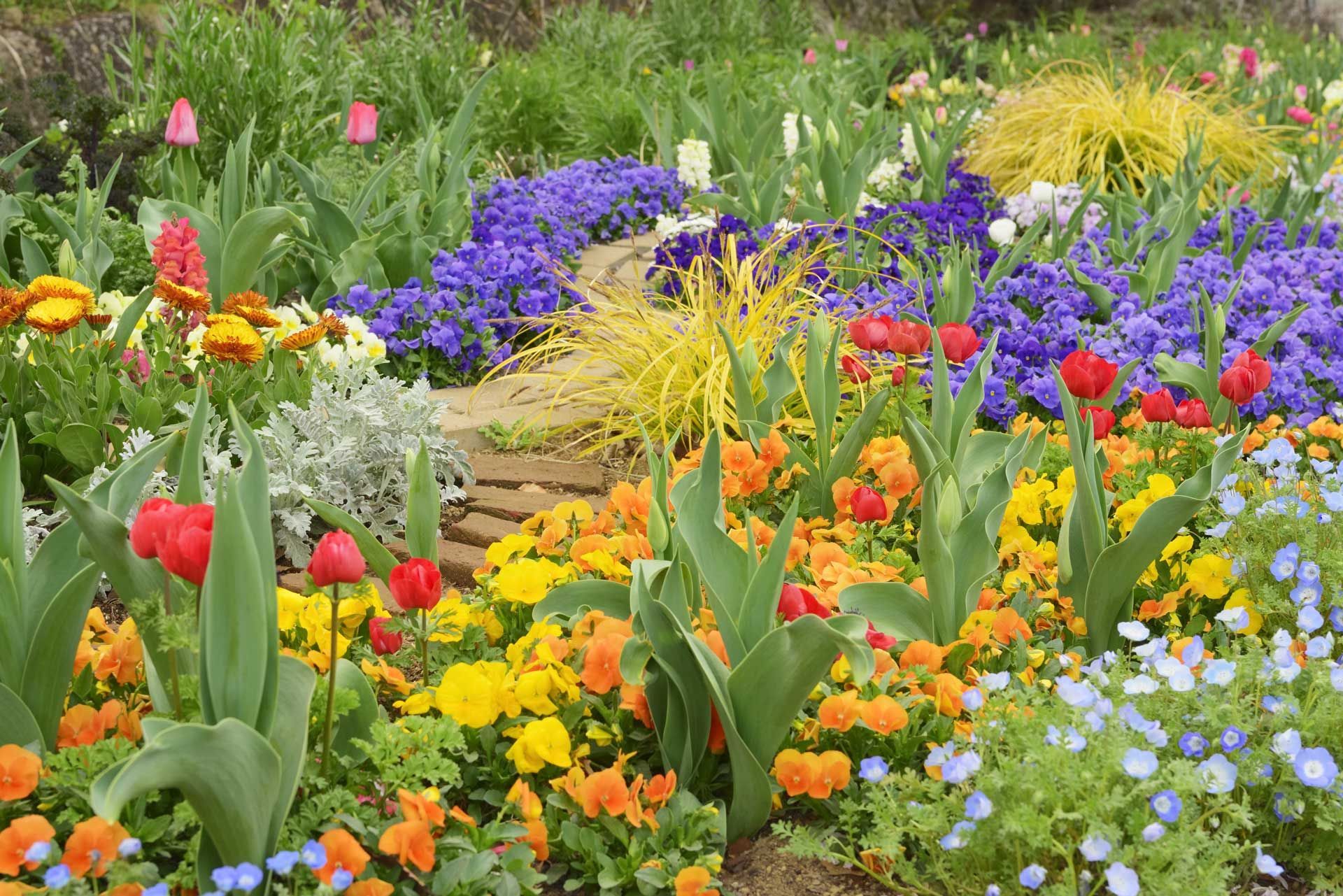
Natural Predators: Bagworms have natural enemies like parasitoid wasps and tachinid flies that help control them by feeding on them during the caterpillar or pupal stage. A study from the University of Illinois found that planting flowers like asters and daisies near trees and shrubs with bagworms can attract these helpful insects and lower bagworm populations. These flowering plants provide natural predators with the nectar and pollen they need for energy and reproduction.